
PRESERVE YOUR TREES. PROTECT YOUR PROPERTY.

Tree Cabling & Bracing Services in Alabama

A cracked trunk or weak branch union does not always mean the tree has to come down. Our licensed arborists install professional tree cabling and bracing systems across Alabama that reinforce structurally compromised trees and give them years of healthy life.

STRUCTURAL TREE SUPPORT SOLUTIONS

Professional Tree Cabling & Bracing Across Alabama

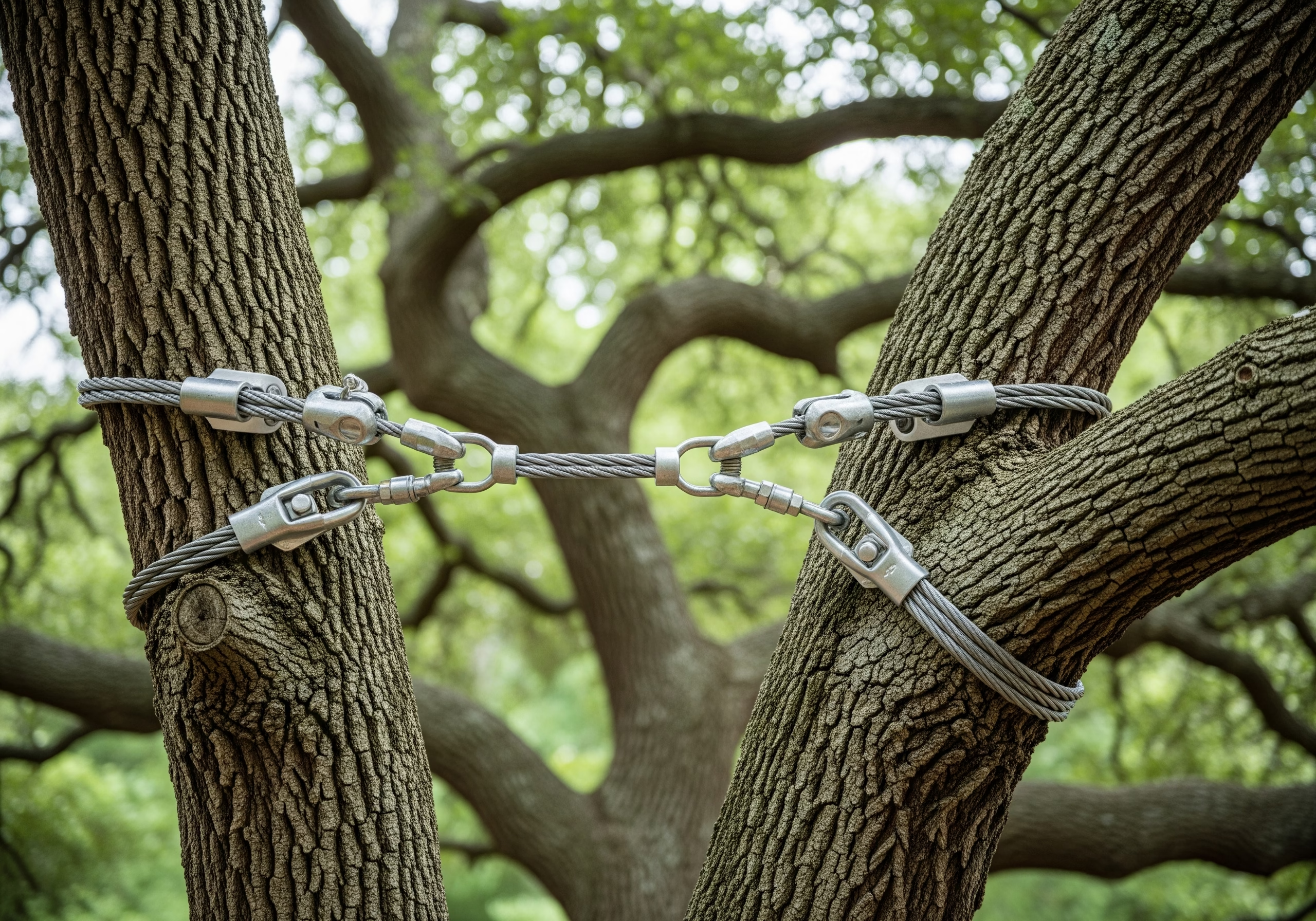
Tree cabling and bracing is a method of installing steel cables or threaded rods through a tree’s structure to redistribute weight, limit movement between weak unions, and prevent catastrophic failure. It does not fix a damaged tree – it supports it so the damage does not get worse.

Our licensed arborists in Alabama install professional cabling and bracing systems that help property owners preserve structurally compromised trees. Alabama’s severe storms, heavy winds, and clay-heavy soils place enormous stress on large trees year after year. A properly installed support system can be the difference between losing a 60-year-old Southern Live Oak and keeping it standing for decades more.

WHEN CABLING & BRACING IS THE RIGHT CALL

Tree Situations That Need Cabling or Bracing

Not every compromised tree needs to be removed. Here are the situations where a support system is the smarter solution.

Co-Dominant Stems & V-Crotch Splits
extreme-closeup-of-a-tree

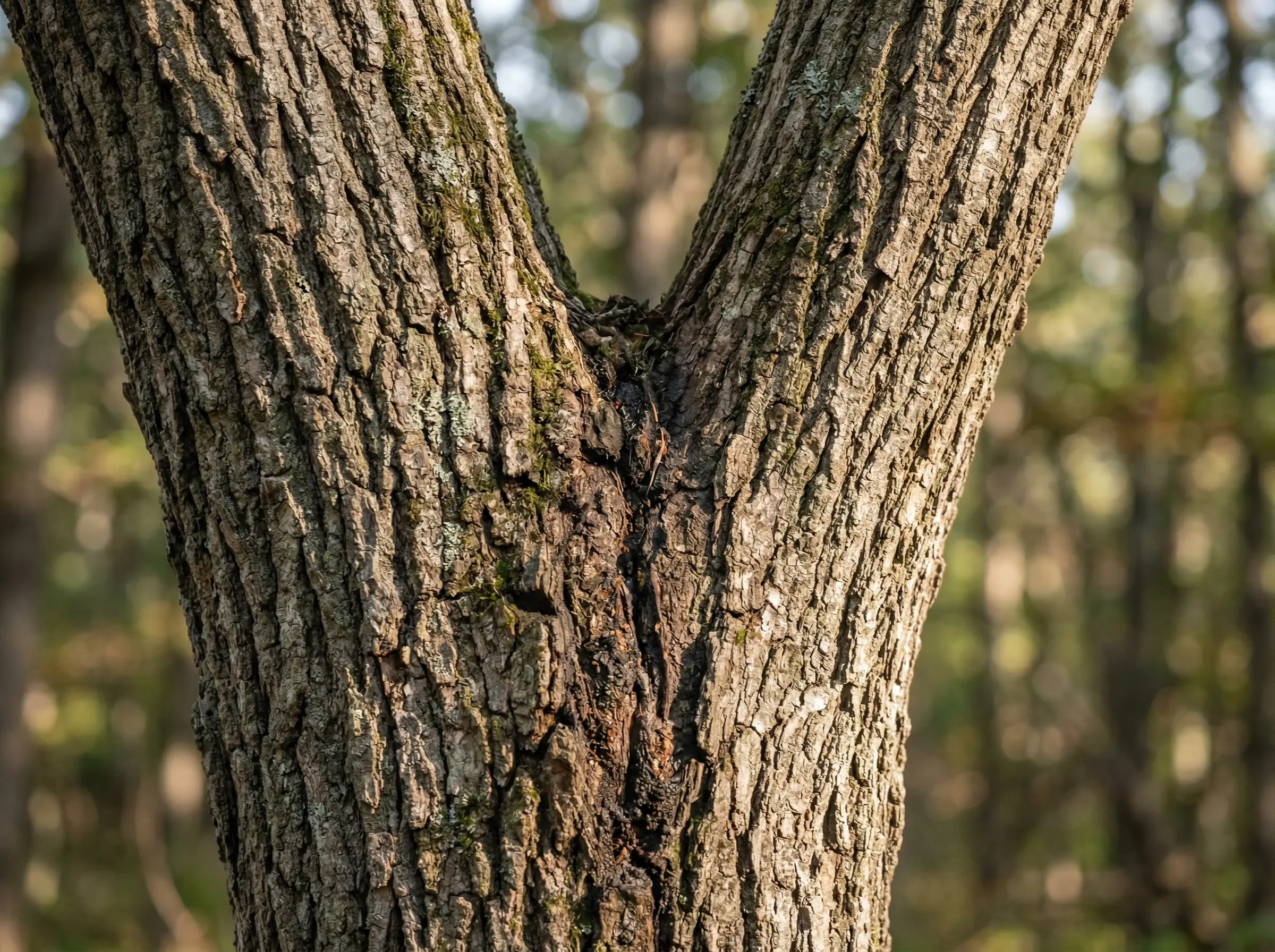
Two trunks growing at a narrow angle create a weak union called included bark. Over time that union can fail completely. Cabling between the stems limits outward movement and prevents the split from widening.

Storm-Cracked or Partially Split Trees
a-large-tree-trunk

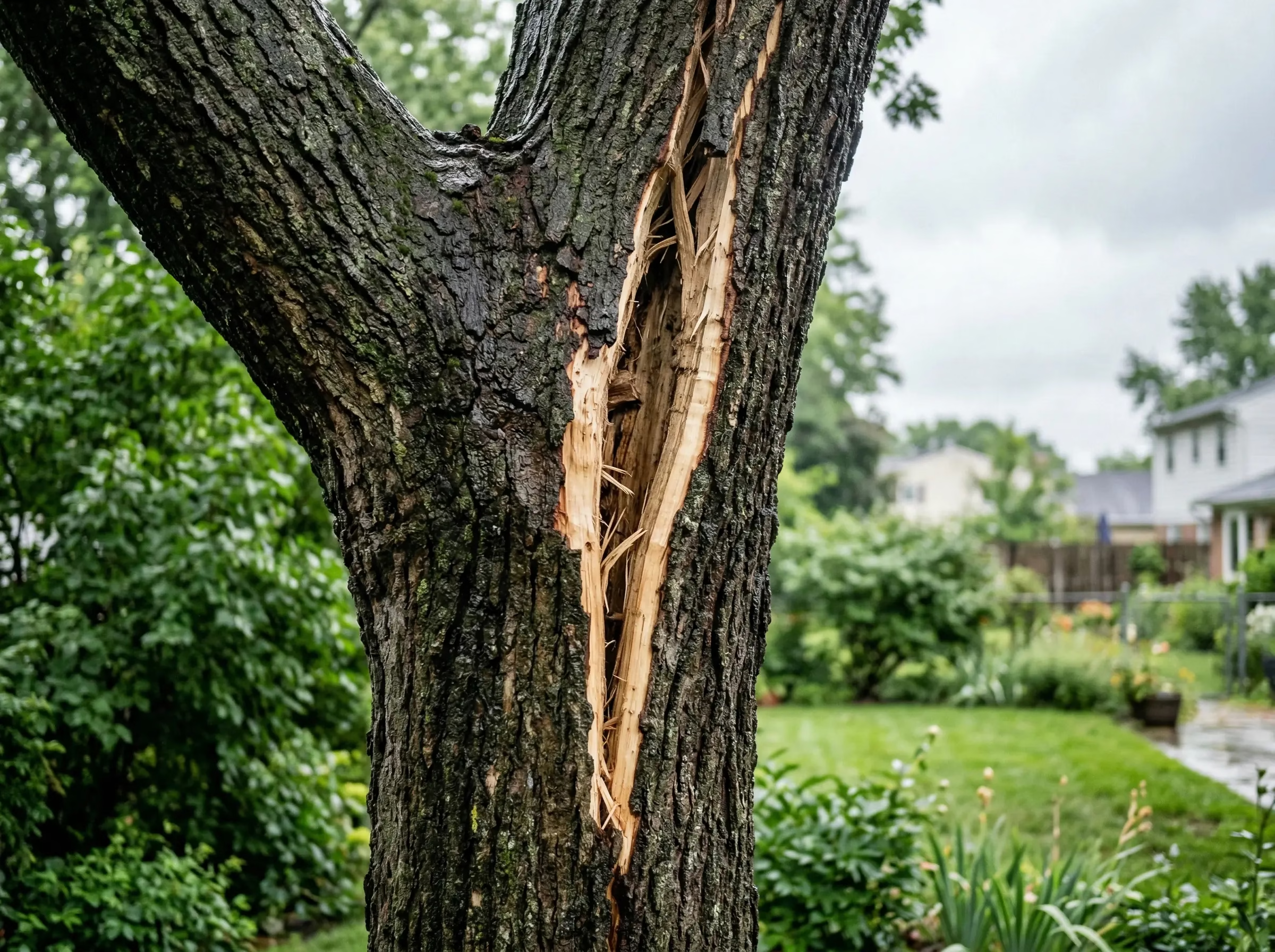
A crack or partial split does not automatically mean the tree is lost. If the tree is otherwise healthy, a combination of static rod bracing and dynamic cabling can hold the structure together while the tree compartmentalizes the wound.

Large Overhanging Limbs Near Structures
massive-thick-tree-branch

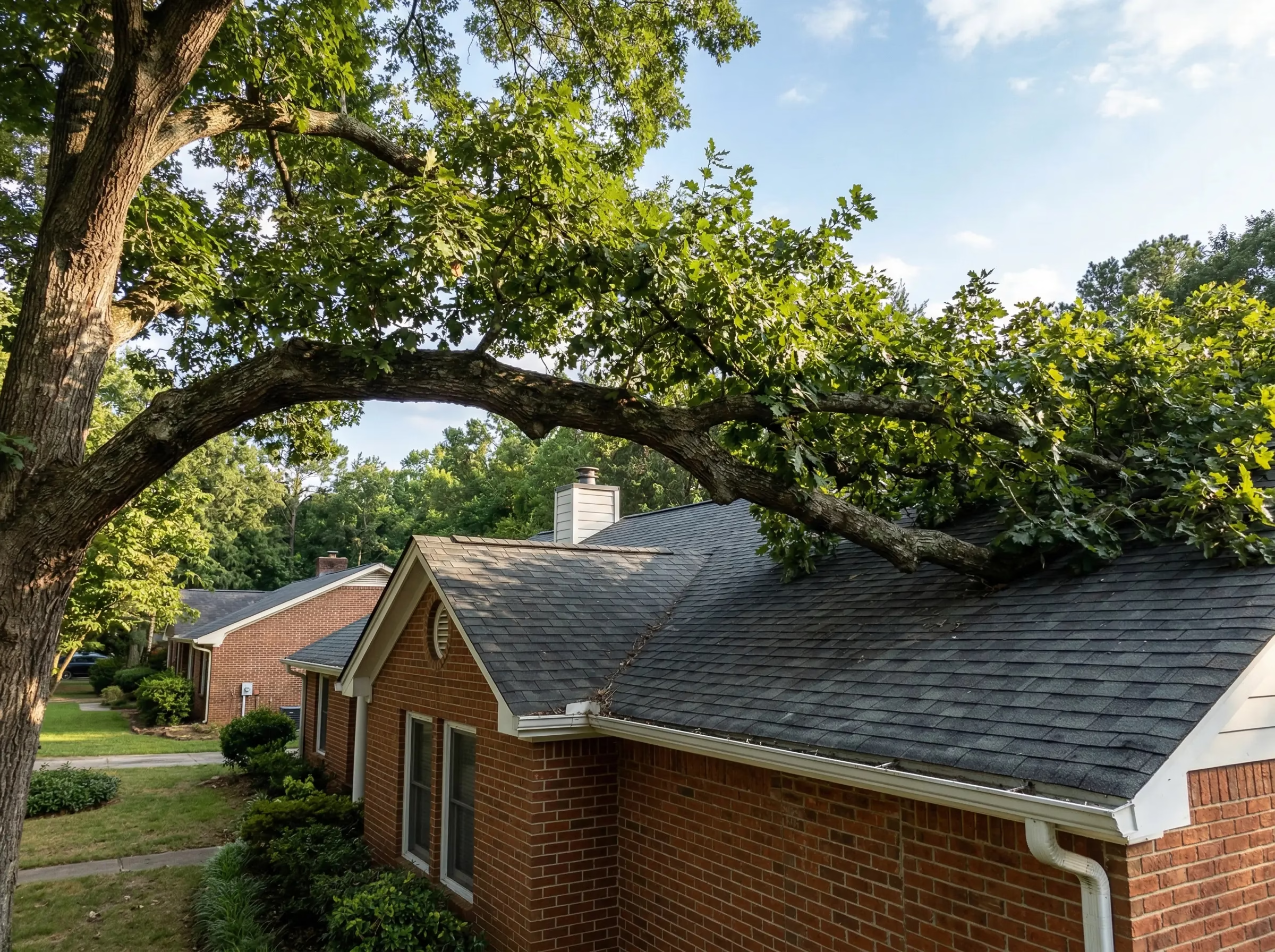
A heavy limb extending over your roof, driveway, or outbuilding carries significant failure risk during Alabama’s storm season. Cabling anchors the limb back to the main trunk and distributes its weight safely.

Historic or High-Value Trees
a-centuries old tree

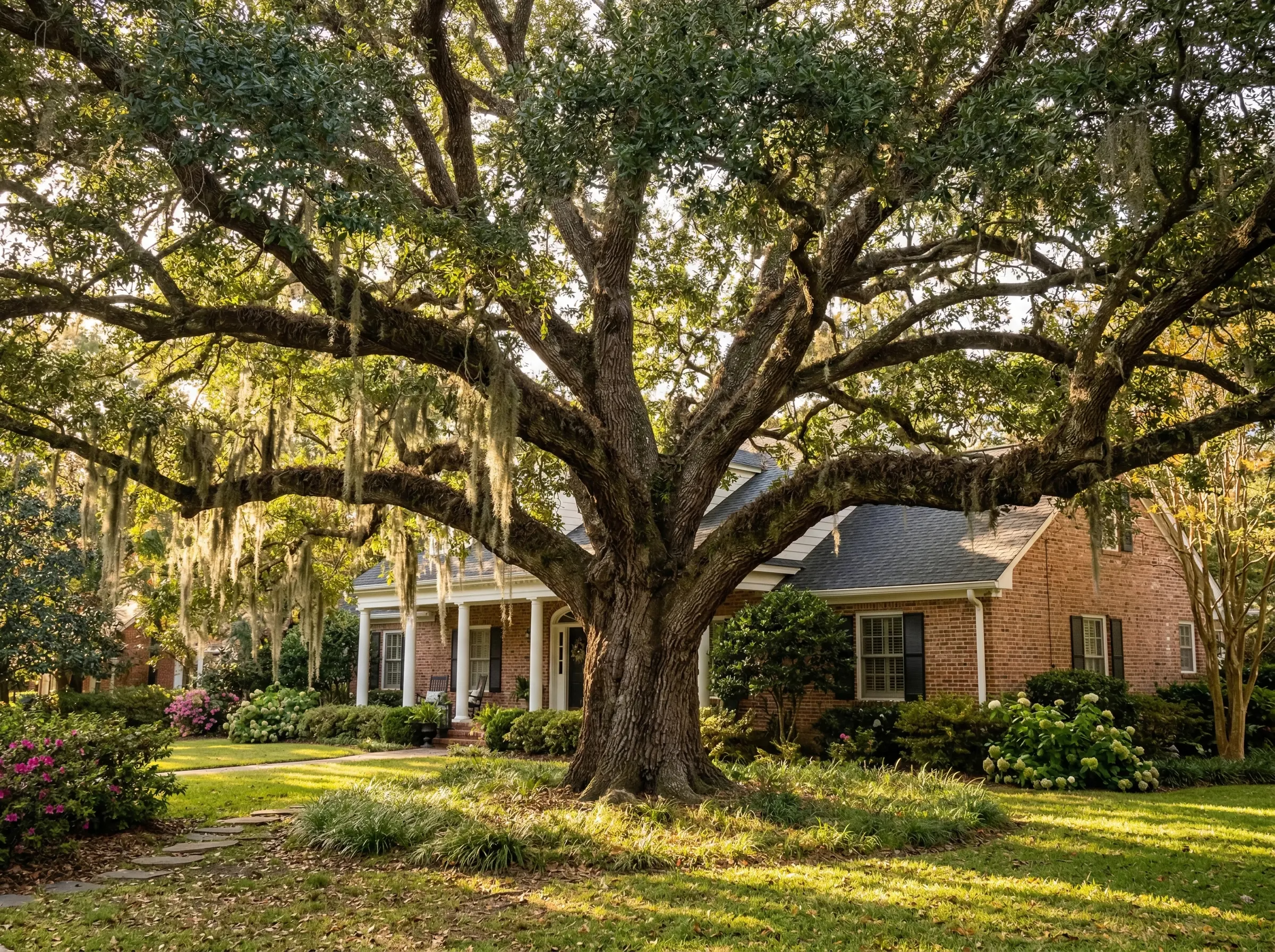
Old Southern Live Oaks, Pecan trees, and mature Southern Magnolias can take over a century to grow. When these trees develop structural weaknesses, removal is the last resort. Cabling helps preserve them for future generations.

Multi-Stem Trees with Uneven Weight
a-large-multistemmed

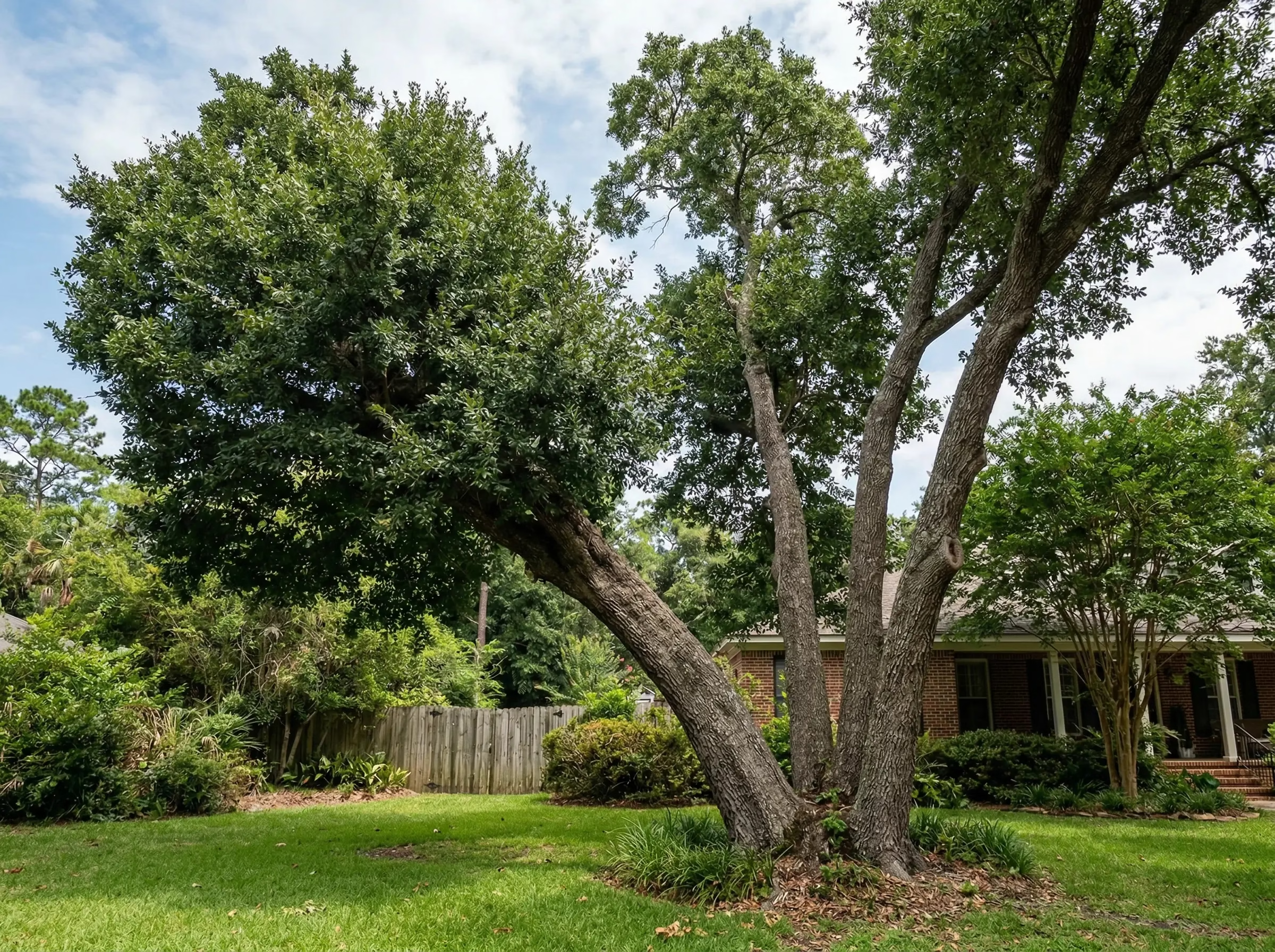
Trees with three or more trunks often develop uneven canopy weight over time. That imbalance puts stress on the root system and the unions at the base. A properly designed cable system rebalances the load across the whole structure.

Leaning Trees After Root or Soil Damage
a-large-tree-leaning

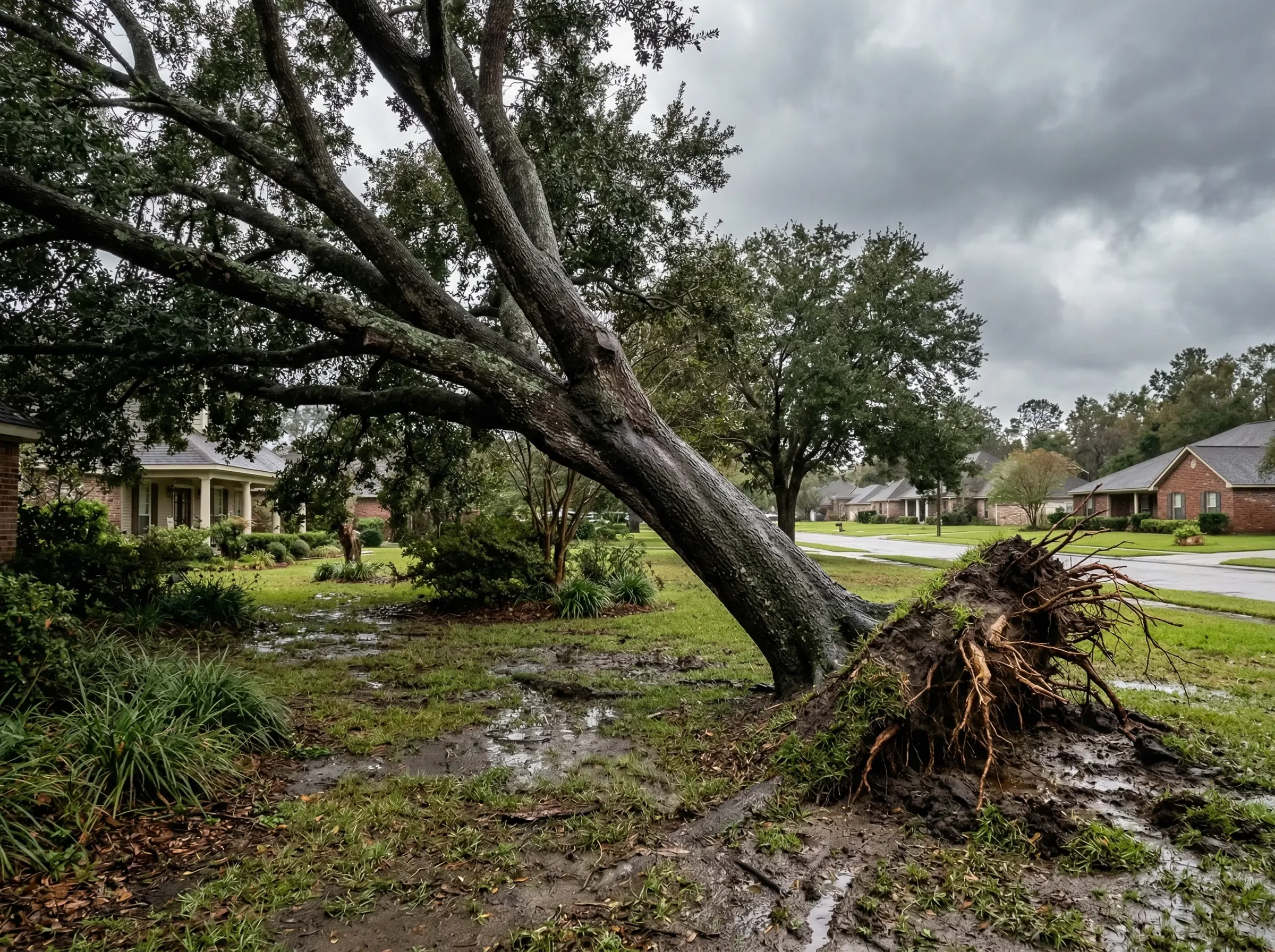
Alabama’s heavy clay soils shift and saturate after major storms. A tree that was upright last season may lean noticeably after a wet winter. Bracing rods and ground anchoring can stabilize the lean while the root system recovers.

Why Choose us

Why Alabama Property Owners Trust Our Cabling Team

Installing a cable in a tree sounds straightforward. But get it wrong – wrong placement, wrong tension, wrong system type – and it accelerates the failure instead of preventing it. Here is what makes our approach reliable.

Arborist-Assessed

Every cabling job starts with a full structural assessment by a licensed arborist. We evaluate the union, the canopy weight, and the failure risk before recommending any system.

Built for Alabama's Weather

Alabama's tornado seasons, hurricane remnants, and ice storms put cable systems under real stress. We design every installation with Alabama's specific storm load in mind - not just a generic specification off a data sheet.

Long-Term Monitoring & Follow-Up

Cable systems need periodic inspection as the tree grows and the hardware shifts. We schedule follow-up assessments so the system stays effective and the tree stays safe year after year.

THE CABLING & BRACING PROCESS

How Our Tree Cabling & Bracing Process Works

We do not rush a cabling job. Every system is designed for the specific tree, the specific weakness, and the specific conditions on your property.

our work process
STEP 1: Full Structural Assessment

Our arborist inspects the tree from base to canopy – checking the union strength, the canopy load distribution, the root zone, and the overall health of the tree. We only recommend cabling if it is genuinely the right solution.

STEP 2: System Design & Hardware Selection

We choose the right system for your tree – dynamic high-strength cable for flexible support, static threaded rods for split trunks, or a combination of both. Hardware is sized to the tree’s diameter and the load it needs to carry.

STEP 3: Professional Installation

Our licensed arborists install the system at the correct height, angle, and tension. Hardware is set to support without restricting the tree’s natural movement. All work is done with proper climbing equipment to protect the tree’s bark and structure.

STEP 4: Documentation & Follow-Up Schedule

We provide a written record of the system installed, the hardware used, and the recommended inspection interval. Most Alabama cabling systems need a check every two to three years as the tree grows.

What they say about us

Semper aliquet primis venenatis platea viverra magna praesent sed mattis netus nostra.

img 1
STATEWIDE COVERAGE

Tree Cabling & Bracing Across Alabama

We provide tree cabling and bracing services across all of Alabama – from the Tennessee Valley down to the Gulf Coast. Our licensed arborists serve Jefferson County, Madison County, Shelby County, Baldwin County, Lee County, and all surrounding areas statewide.

Want to Save Your Tree? Let's Take a Look.

Call today and our arborist will assess it honestly, no pressure. 

Tree Removal FAQs

What is tree cabling and bracing?

Tree cabling uses high-strength steel cables installed between major limbs or stems to limit movement and reduce stress on weak unions. Bracing uses threaded steel rods to stabilize split or cracked trunks. Both are non-destructive ways to support a structurally compromised tree.

Most cabling systems last between five and ten years before needing adjustment or replacement. Alabama’s heat, humidity, and storm activity can accelerate wear on hardware. We recommend an arborist inspection every two to three years.

In many cases, yes. If the tree is otherwise healthy and the structural issue is caught early, cabling and bracing can prevent further failure and extend the tree’s life significantly. However, not every tree is a good candidate. Our arborist assessment determines whether cabling is the right call or removal is the safer option.

Most residential cabling jobs in Alabama range from $200 to $800 depending on tree size, the number of cable points needed, and the complexity of the system. We provide a free written estimate after the assessment.

The key factors are the tree’s overall health, the severity of the structural issue, and how close it is to your home or other structures. A licensed arborist assessment is the only reliable way to make that call. We offer free assessments across Alabama so you can make an informed decision.